When we say we work "from zero to hero", people in Castellón get it instantly. This city did it literally: it was born on top of a hill and, royal permit in hand, moved itself entirely down to the plain so it could grow. Today it is our base for serving Europe, the Mediterranean and North Africa. About time we told you where we live.
1251: the privilege of starting over
The official story starts with a signature. In 1251, King James I of Aragon granted the privilege of moving the town from the Magdalena hill — where the ruins of the old castle still stand — down to the fertile plain by the sea. Tradition dates the move to 1252, and it was no small thing: an entire town dismantled its life and rebuilt it a few kilometres downhill, betting on water, farmland and trade.
Every third Sunday of Lent, Castellón celebrates the Magdalena festival: a pilgrimage climbs the original hill to commemorate the founding journey, "de la muntanya al pla" — from the mountain to the plain. The gaiatas, monuments of light paraded through the city, represent the lanterns of that descent. Few cities anywhere have, as their biggest festival, the anniversary of their own reinvention.
El Fadrí: a bell tower without a church
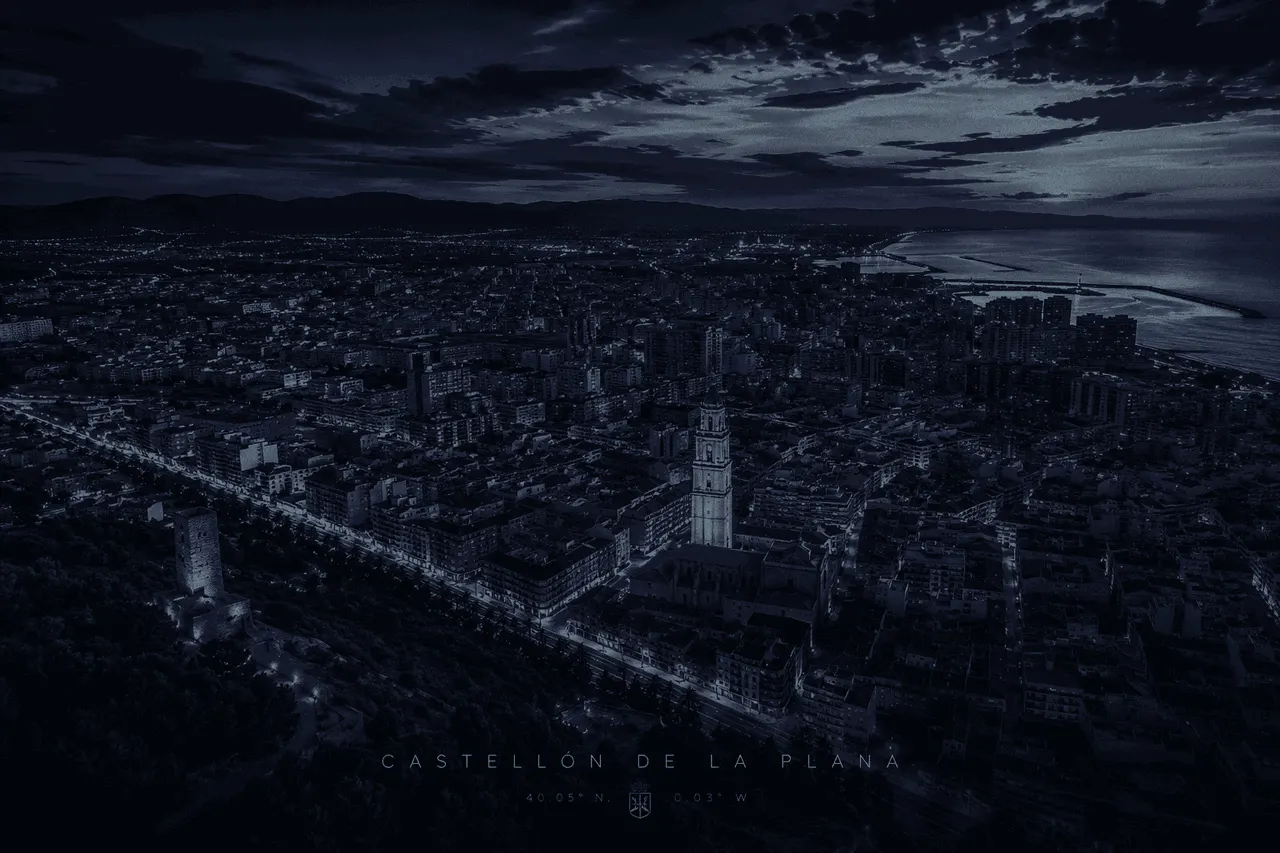
The city's symbol is an octagonal bell tower roughly 58 metres tall, finished in 1604: El Fadrí. Its quirk is that it stands free, detached from the co-cathedral of Santa María. "Fadrí" means "bachelor" in Valencian: the tower that never married its church. The engineers in the house love it for another reason: it is a decoupled module that has been running in production for four centuries with zero downtime.
The city that industrialized craftsmanship
If you have ever stepped on a ceramic floor in Europe, odds are it was born a few kilometres from our office. The province of Castellón hosts one of the largest ceramic clusters in the world: around 90% of Spain's ceramic tile production comes from here. It is a textbook lesson we get to watch every day: a centuries-old craft that reinvented itself with technology, chemistry and innovation until it led a global market. Craftsmanship plus engineering. Sounds familiar.
Sea, university and fiber
- El Grao and its beaches: the Mediterranean ten minutes away, with the Columbretes islands on the horizon
- Universitat Jaume I (1991), a talent pool whose alumni have touched several of our projects
- A human scale: you can bike everywhere, and the team takes full advantage
- Great connectivity and a European timezone: perfect for serving Europe and the Mediterranean
Why our European office is here
We could tell you it is the costs, the UJI talent or the quality of life, and it would all be true. But the honest reason is simpler: it is home. This is where the idea of Intervolutions was born and where the technical team that serves Europe and North Africa beats, while our Princeton (Illinois) headquarters covers the American continent. We work in a city that was founded by moving itself entirely in order to grow. Hard to find a better reminder of what we do for a living.
De la muntanya al pla: the first "from zero to hero" in Castellón's history was pulled off by the city itself.
The Castellón team, with El Fadrí as witness